Cinema Halls Then and Now
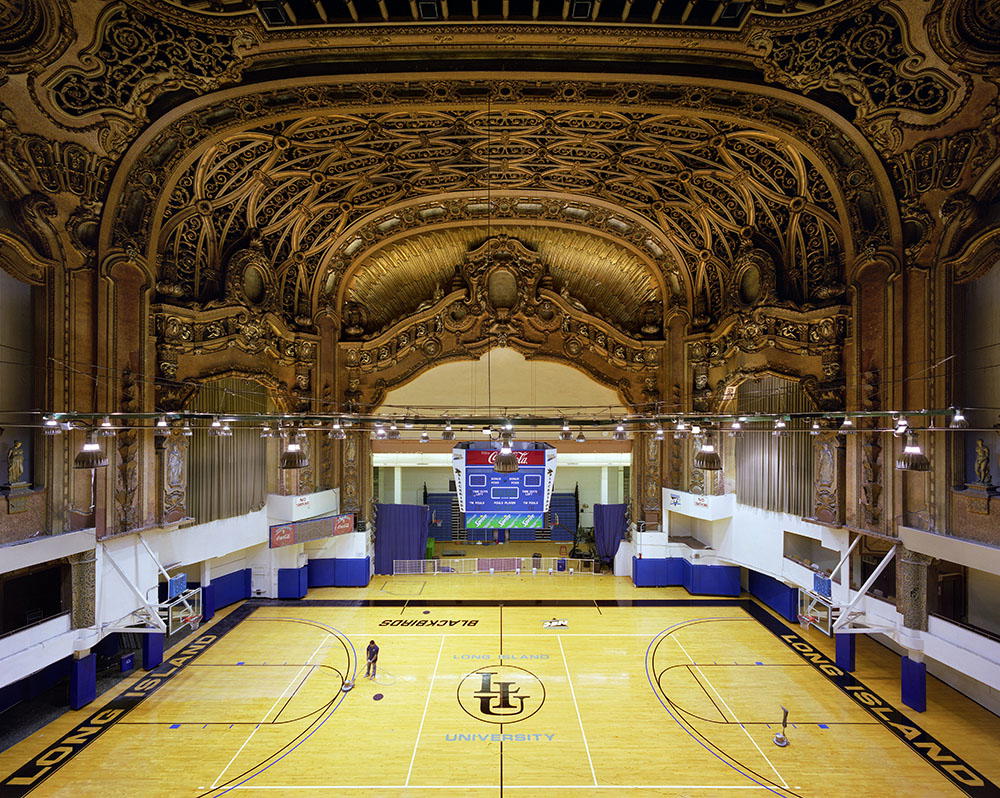
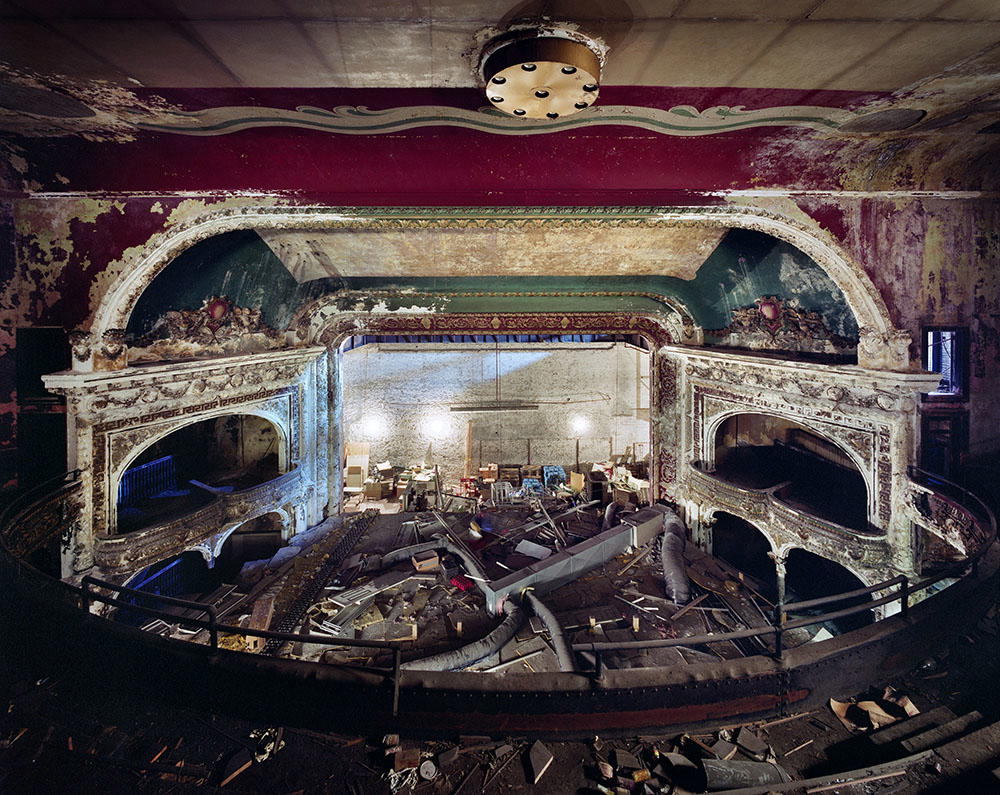
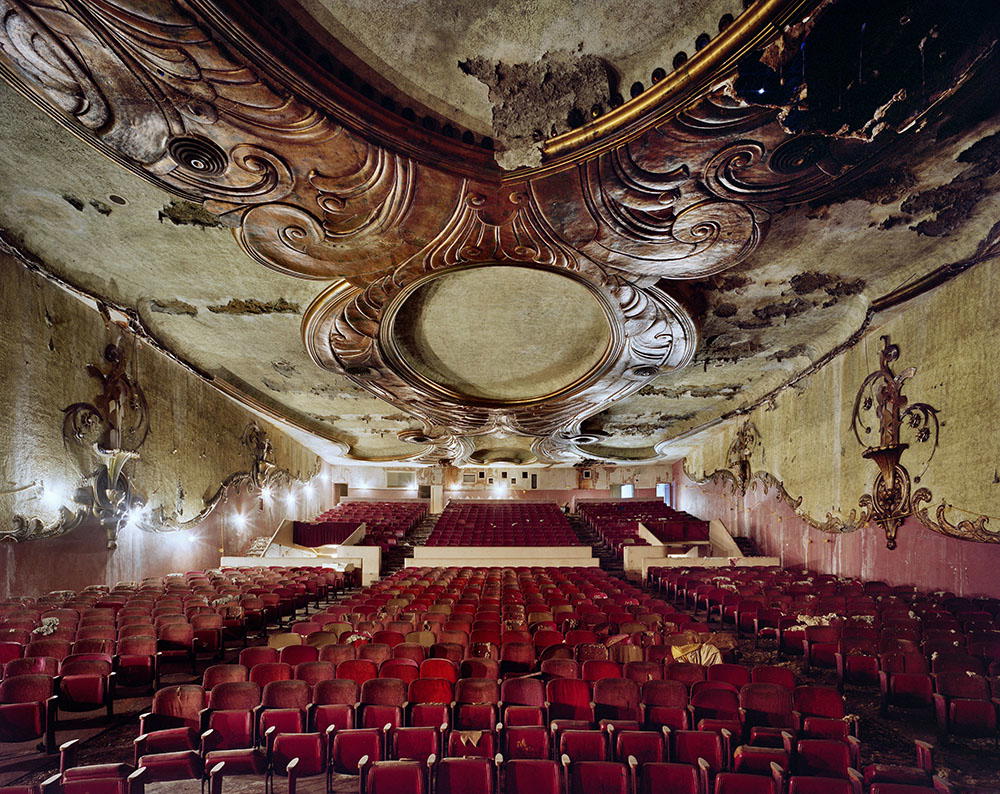
PARAMOUNT THEATER IN BROOKLYN NY 2008
4,124 seats, designed by architects Rapp and Rapp, opened (1928), artists like Duke Ellington, Ella Fitzgerald, Miles Davis, Liberace, and Frank Sinatra performed there, closed (1962), used as a sports hall for Long Island University (since 1962).
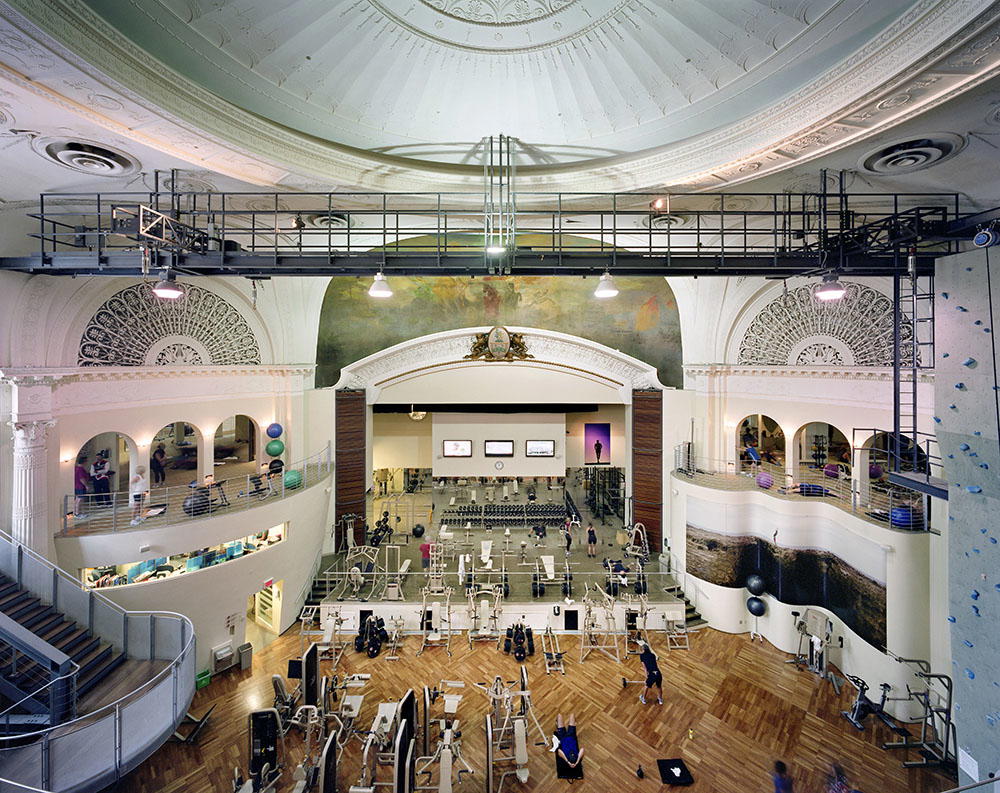
LOEW'S THEATER IN MONTREAL QC 2013
2,853 seats, opened (1917), divided into 5 halls (1976), closed (1999), used as a gymnasium (since 2005).
RIVOLI THEATER IN BERKELEY CA 2013
1,402 seats, built (1925), closed (1950s), later used as various supermarkets.
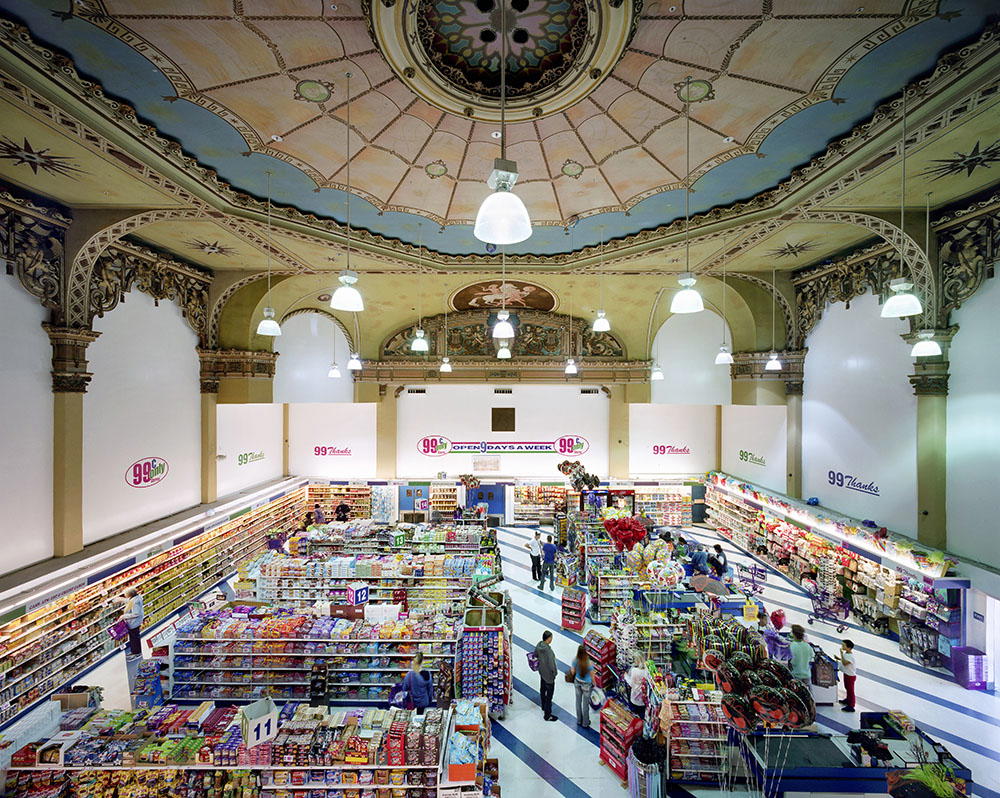
GIRARD AVENUE THEATER IN PHILADELPHIA PA 2011
900 seats, opened (1891), converted into a cinema (1927), closed (early 1960s), later used as various supermarkets (since 1967).
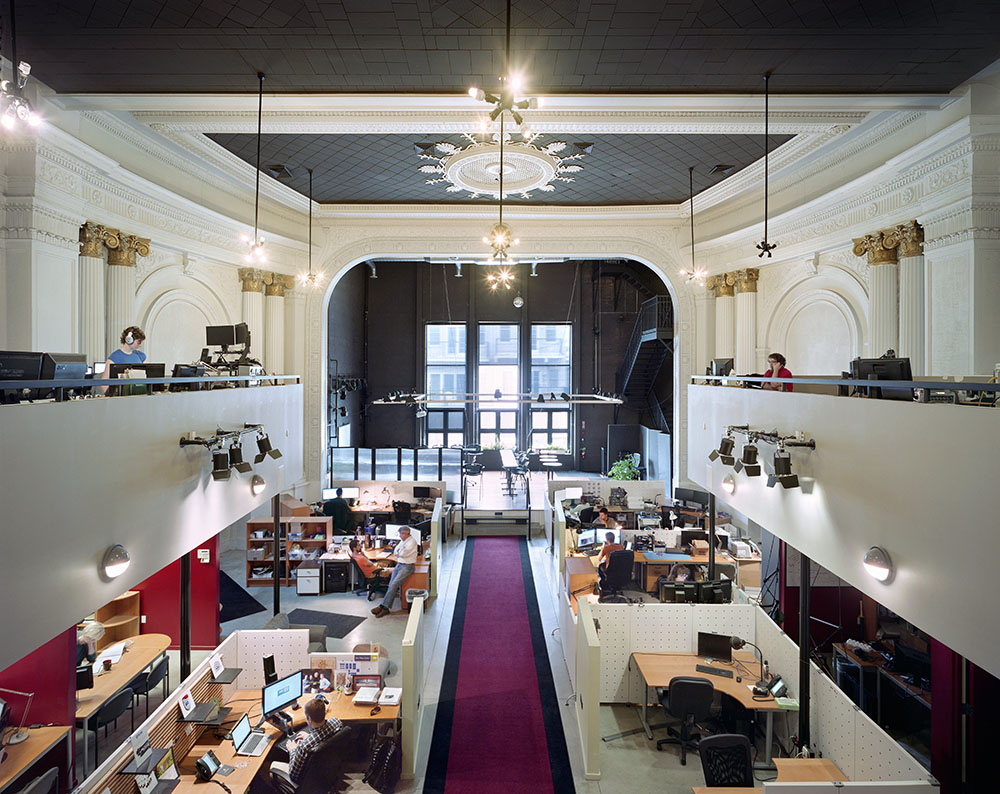
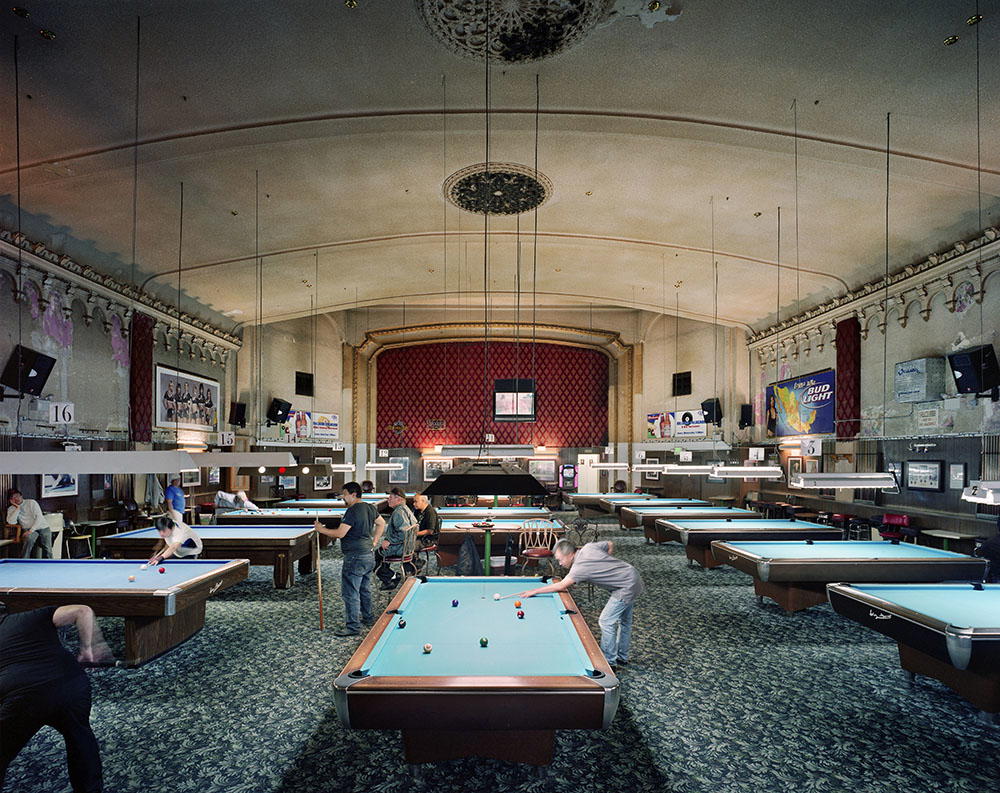
RIALTO THEATER IN SAN FRANCISCO CA 2013
600 seats, opened (1925), closed (1929), later repurposed as retail stores, then used as a billiard hall (since 1972).
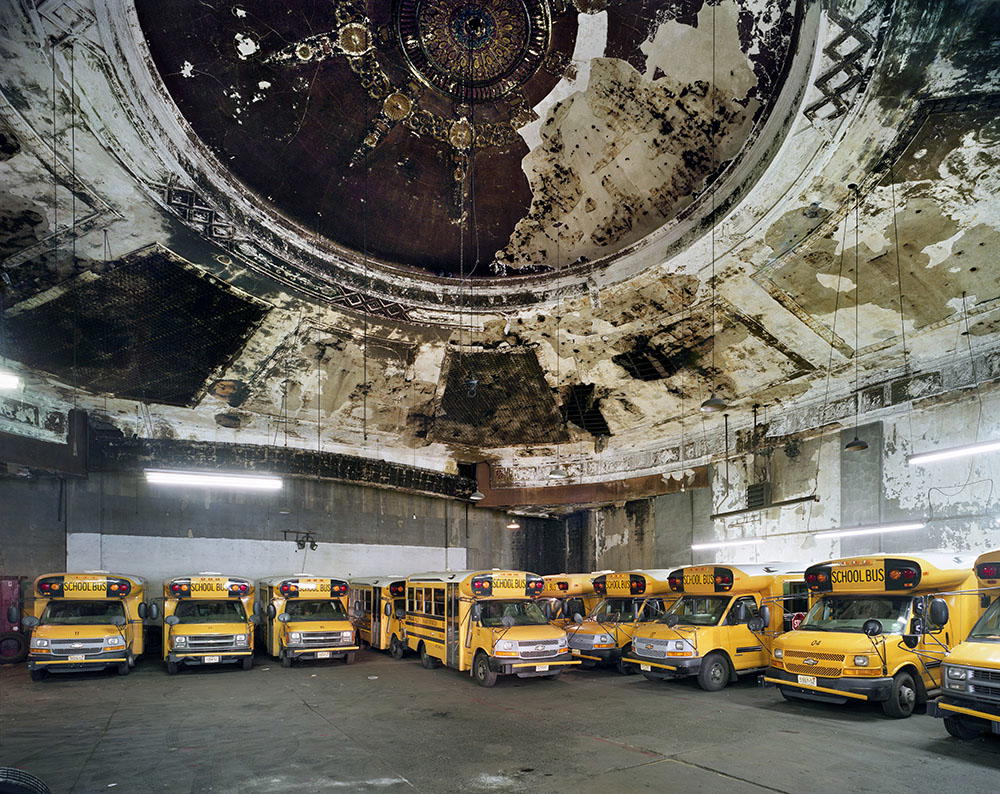
STATE THEATER IN WEST ORANGE NJ 2009
981 seats, opened (before 1934), closed (date unknown), used as a bus depot, gutted (2013).
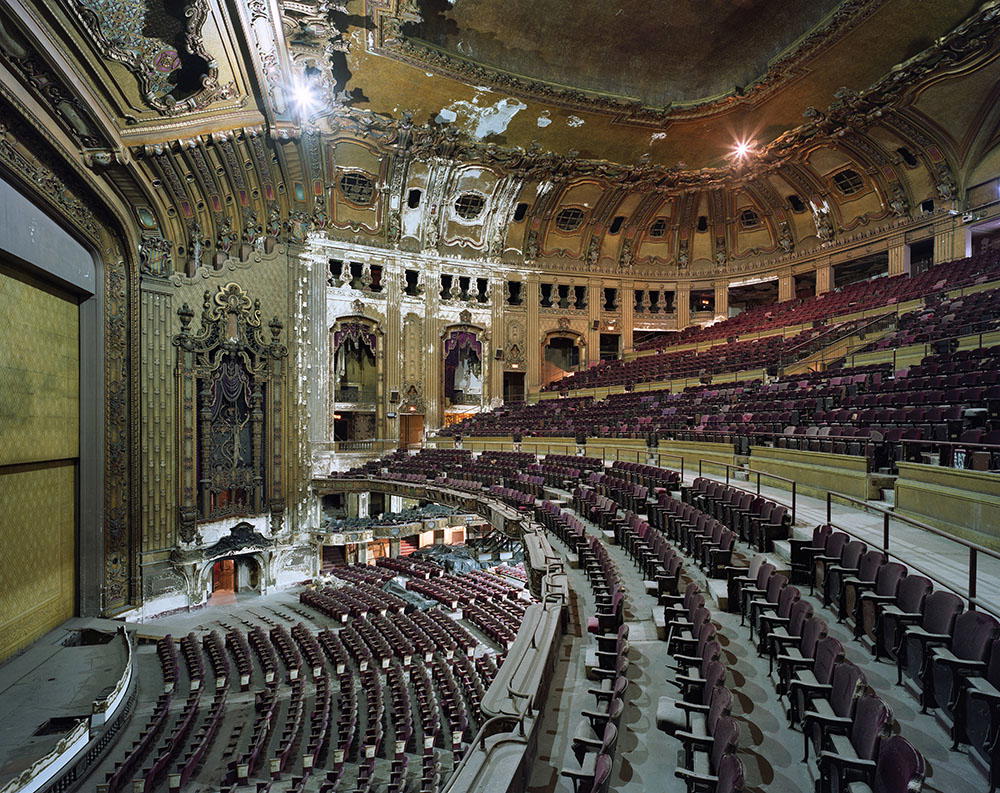
UPTOWN THEATER IN CHICAGO IL 2009
4,381 seats, largest theater in Chicago, designed by architects Rapp and Rapp, opened (1925), used as a concert hall (late 1970s), closed (1981), listed in the National Register of Historic Places (1986), awaiting restoration.
FOX THEATER IN INGLEWOOD CA 2008
1,008 seats, opened as a cinema (1949), served as the main venue for Hollywood premieres in the 1950s with stars like Marilyn Monroe and The Three Stooges, closed (1984), listed in the National Register of Historic Places (2012).
BOOK RELEASE
The book 'Movie Theaters' by Yves Marchand, Romain Meffre, and Ross Melneck, featuring the complete photo series, was published in 2021 by Prestel Publishing. View the book.