Nobody expects Monty Python!
THIS IS A DEAD PARROT
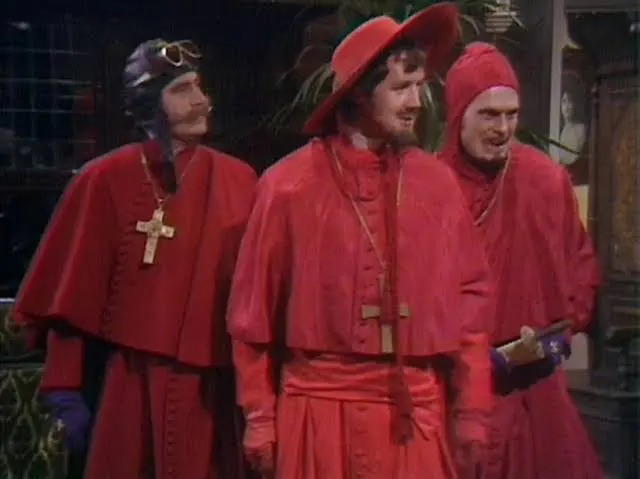
There's a test you can run to understand how deeply Monty Python is embedded in pop culture. Take any group of people, anywhere between 25 and 65, and say out loud: "Nobody expects the Spanish Inquisition!"
Then wait. In all likelihood, at least two people will grin, a third will finish the sentence ("armed with fear, surprise, ruthless efficiency, and an almost fanatical devotion to… comfy chairs.") – and nobody will be able to explain where they actually know it from.
That's the Monty Python paradox: the more they shaped pop culture, the more invisible their legacy has become. Their humour feels "normal" today because we live in a world they built. And yet, in 1969, when the six first stepped in front of the camera together, none of this was a given.
AND NOW FOR SOMETHING COMPLETELY DIFFERENT
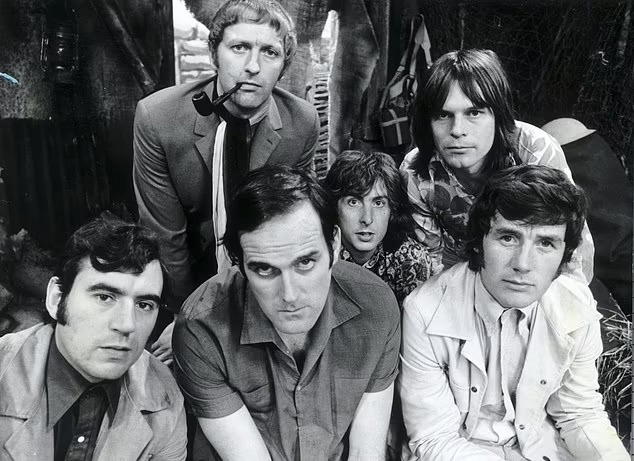
Monty Python, for those who really don't know, isn't a single performer but a British comedy collective: Graham Chapman, John Cleese, Terry Gilliam, Eric Idle, Terry Jones and Michael Palin. Five Brits and one American. Four of them are Oxford or Cambridge graduates. Together, in 1969, they made a BBC show that nobody could really categorise: "Monty Python's Flying Circus".
What's it about? Surreal sketches without punchlines. Scenes that drag on forever or simply stop. And animations that look like nightmares from an art book. Internally, the BBC called the six a "circus" that "flew" through the corridors. The name stuck. What they did differently from everyone before them can be summed up in one sentence: Monty Python freed comedy from the sketch and turned it into pure, organised madness.
That wasn't how things worked before. Before, comedy mostly functioned like a mini-joke: setup, punchline, end. The Pythons blew that format apart. Sketches break off mid-gag. Characters die out of nowhere. One scene slides into the next without transition, or at most with a dry "And now for something completely different." The result is comedy that not only becomes unpredictable but, for the first time, *truly* exciting.
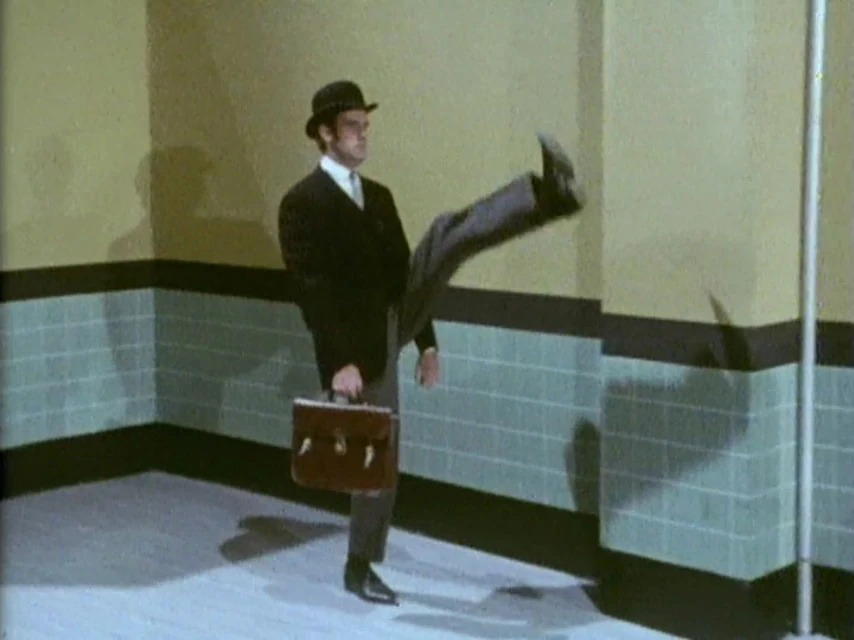
Absurdity, meanwhile, isn't merely a stylistic device but a principle. A man tries to return a dead parrot. The Ministry of Silly Walks is responsible for promoting silly walks. And in the Argument Clinic, someone pays to have an argument – and then argues with the clerk about whether what they're doing right now is even a real argument.
The joke is never the punchline alone. The actual joke is the world in which all of this follows a perfectly normal logic.
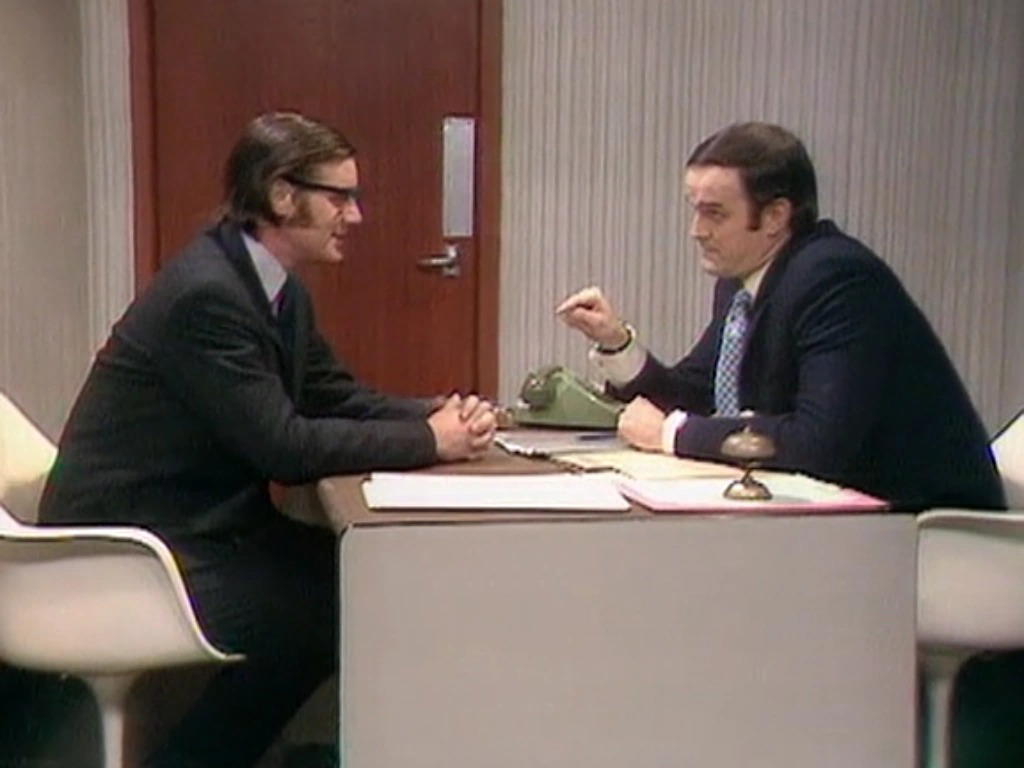
At the same time, the Pythons pull off a trick almost nobody had managed before: they combine high culture with complete nonsense. Philosophical allusions sit next to historical satire – and a toilet joke. An Oxford graduate can laugh at it. So can a 14-year-old. That makes their sketches democratic in a sense few other comedy groups have ever achieved.
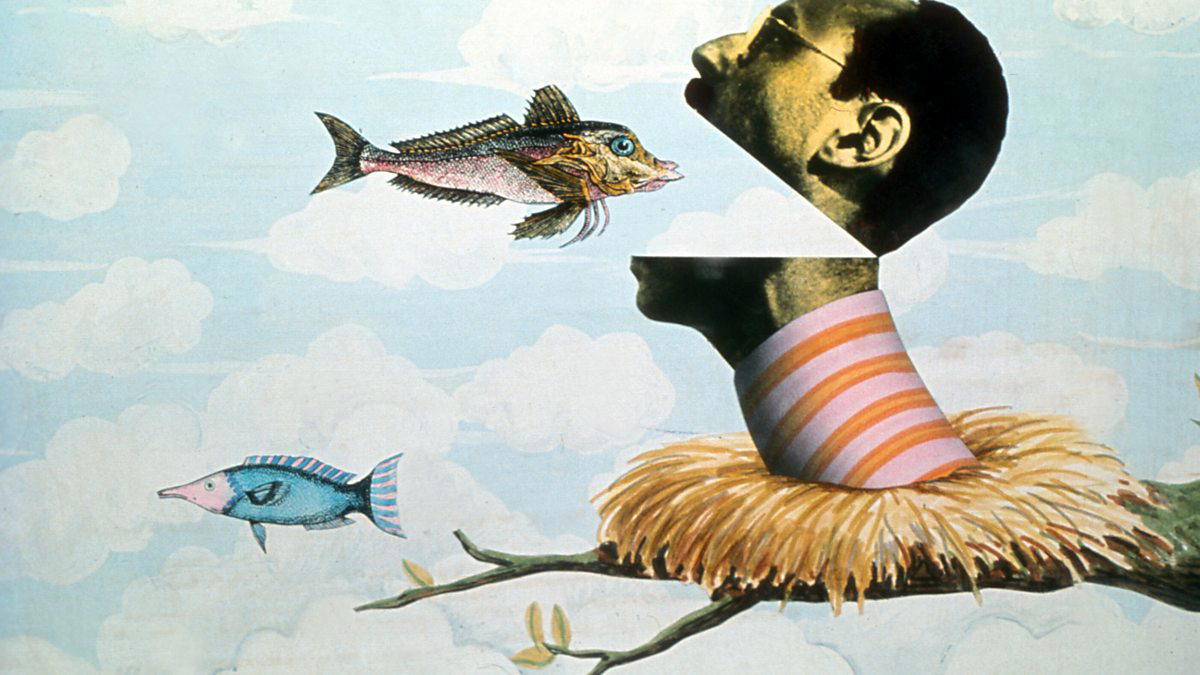
On top of that, Monty Python pokes fun at things that in the 1970s were practically untouchable. The Church. The military. The British class system. Bureaucracy as an absurd deity. At the time, this isn't just cheeky. For many, it's simply scandalous. And then there's Terry Gilliam, the only American in the group, whose surreal collage animations link the sketches and reinforce the feeling that, here, literally no rules apply any more.
IT'S JUST A FLESH WOUND
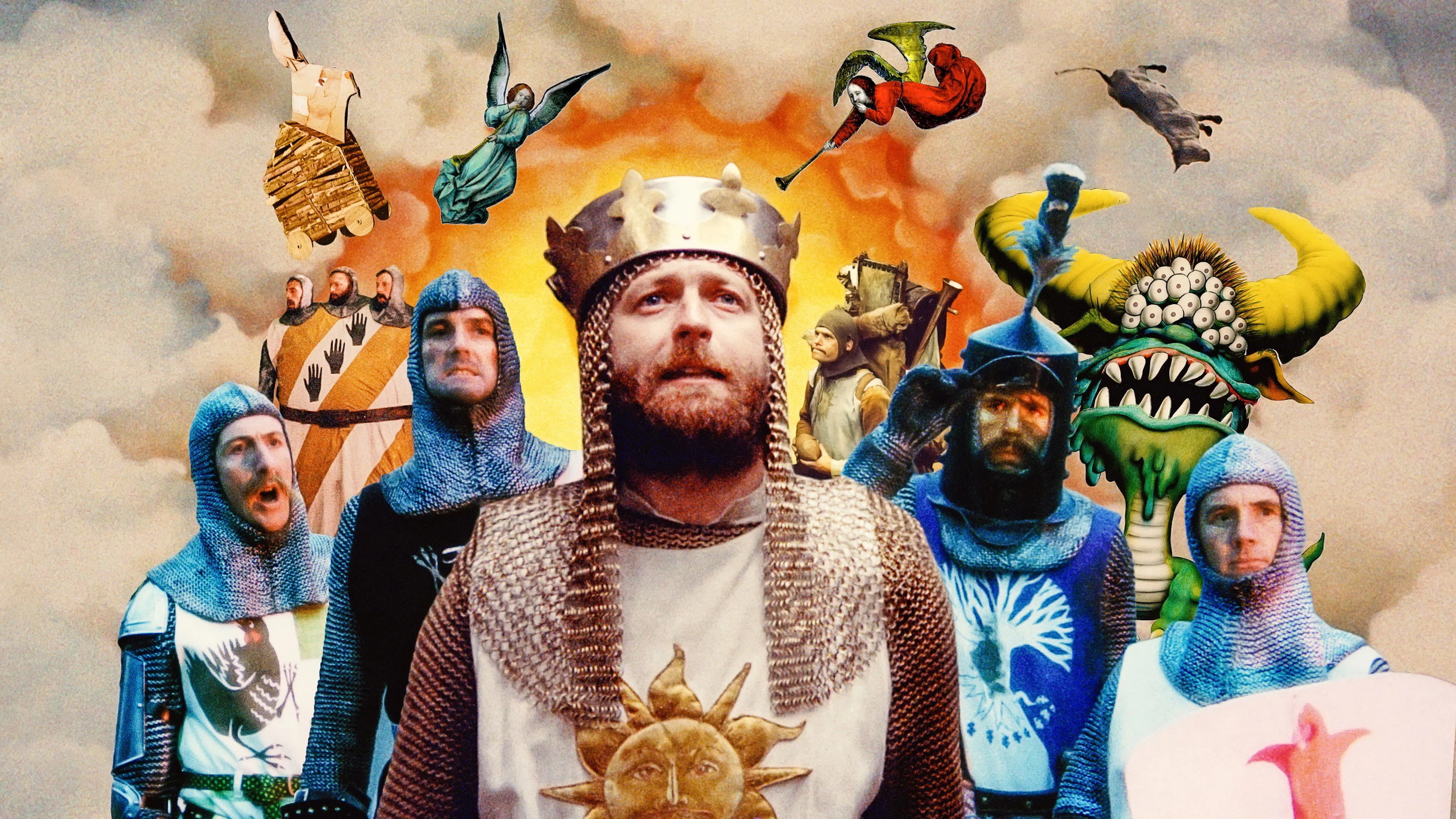
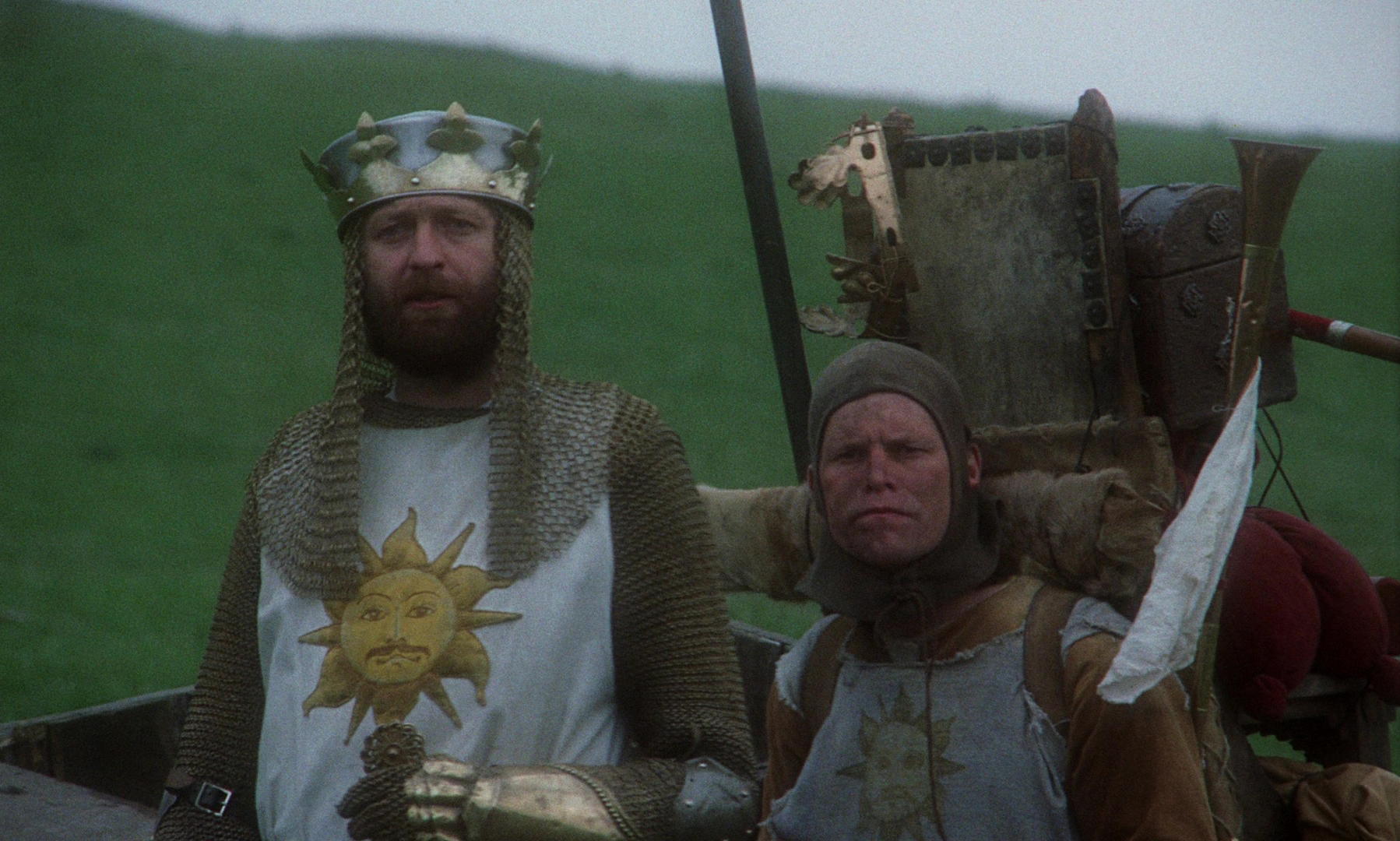
The BBC series turns into feature films – and they're something else. "Monty Python and the Holy Grail" (1975) is King Arthur on a Grail quest, without horses, because the production budget of just 400,000 dollars genuinely didn't allow for real horses. So squires clack along behind the knights with coconuts.
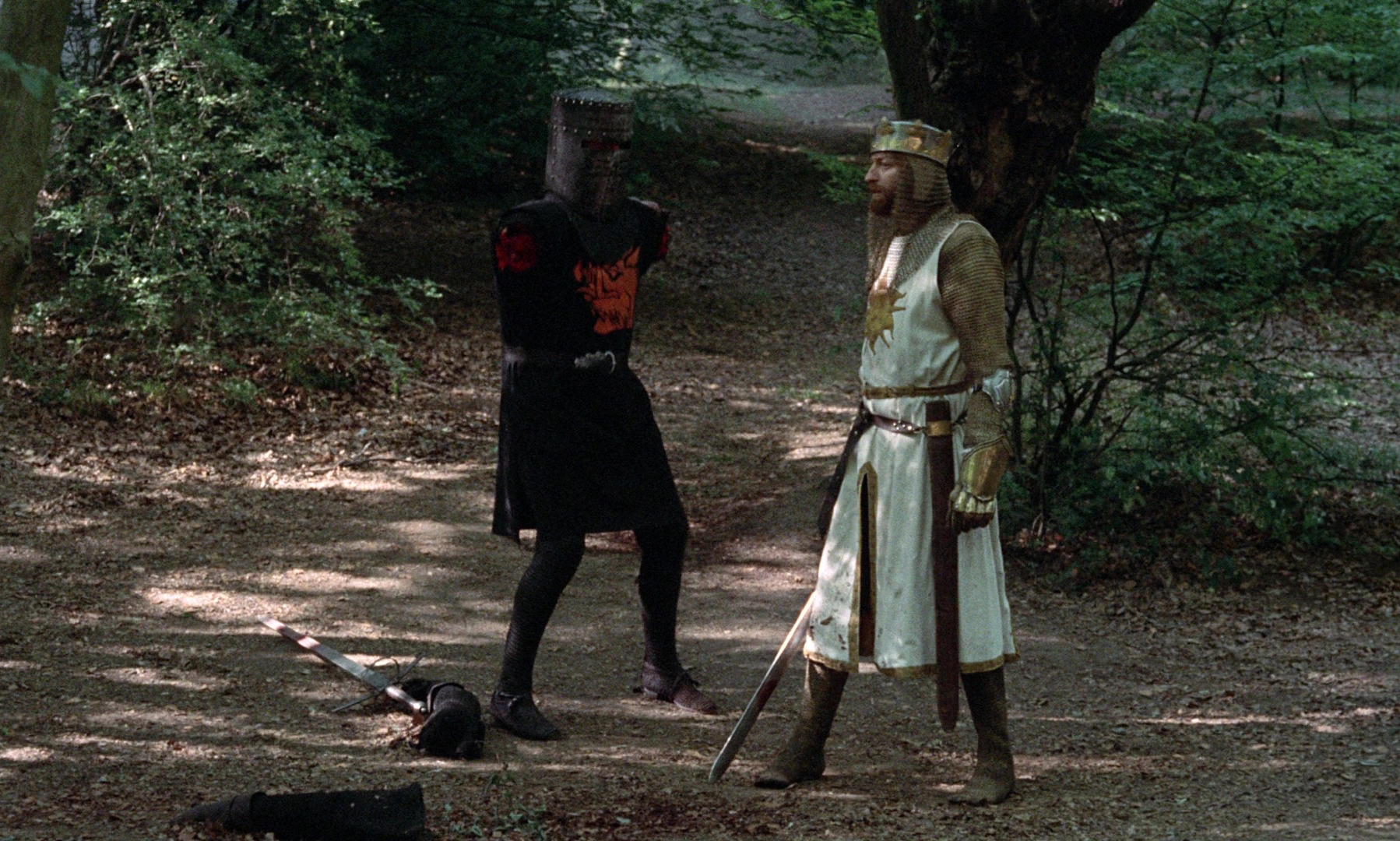
No studio wants to finance the film. Instead, Pink Floyd, Led Zeppelin and Genesis step in – as a tax write-off, mind you. The result is one of the most quoted films in cinema history: the Black Knight, whose limbs are hacked off one by one and who keeps fighting anyway ("It's just a flesh wound"), the killer rabbit, the witch trial with the weight of a duck. "The Holy Grail" is absurd medievalism as a commentary on blind deference to authority – and at the same time just very, very funny.
"Monty Python's Life of Brian" (1979) is the sharper, braver film. Brian Cohen is born next door to Jesus in the year zero and has been mistakenly taken for the Messiah ever since, no matter how often he tells his followers not to follow him. At the time, the Church reacted with protests and boycott calls. Several American cities banned the film. That didn't stop the Pythons much: their satire wasn't aimed at faith but at blind obedience – people's need to worship someone they can follow.
And at the end, as Brian hangs on the cross, Eric Idle sings "Always Look on the Bright Side of Life". The song becomes so popular that British sailors sing it on a destroyer torpedoed during the Falklands War, while they wait for rescue.
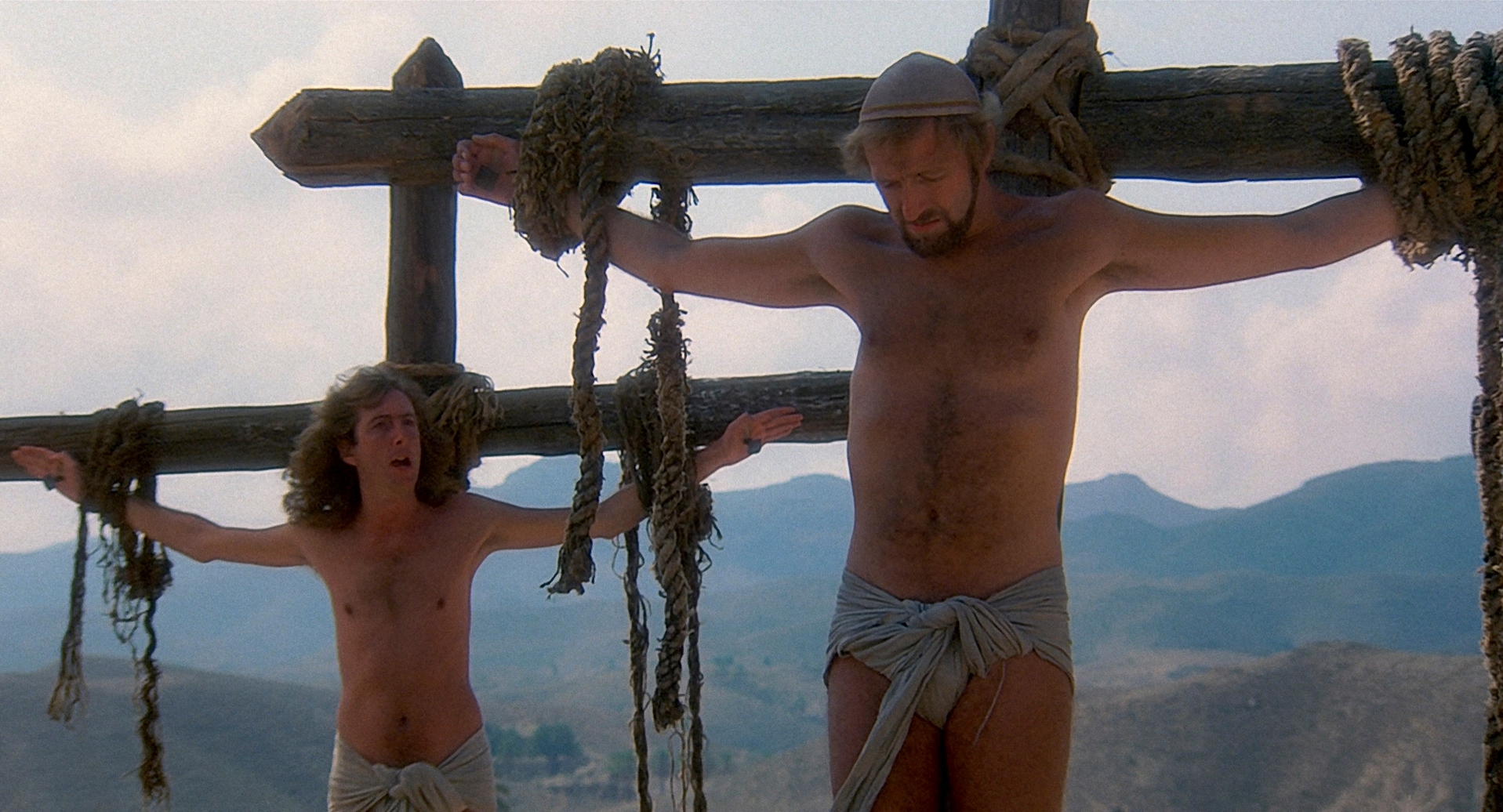
"Monty Python's The Meaning of Life" (1983), on the other hand, is the most chaotic of the three films – loosely connected sketches on the big questions of life, from birth to death, and everything in between. It's less coherent than its predecessors, but it contains some of the darkest, most unhinged scenes in Python history. If you're looking for a film that's both philosophical and utterly bonkers, you're in the right place.
NOT THE MESSIAH – JUST A VERY NAUGHTY BOY
You can draw a direct line from Monty Python to nearly every piece of modern comedy considered groundbreaking today. "The Simpsons", with their meta-jokes and absurd side plots. "South Park", with its minimalist animation and irreverent satire of religion, politics and everything in between. Or even "Family Guy", with its context-free cutaway gags that just happen because they can.

All of these formats stand on the shoulders of six Brits (and one American) who, in 1969, decided that comedy doesn't need punchlines, as long as the world it plays out in has its own absurd logic. That is the real pioneering spirit. Not a single invention. But the willingness to treat comedy as an art form – and, at the same time, to not take itself the least bit seriously.
If you want to see it with your own eyes: THE ONES WE LOVE is showing all three films on the big screen in May. Coconuts are not mandatory. But recommended. And maybe don't follow Brian's example. "He's not the Messiah – he's just a very naughty boy!"